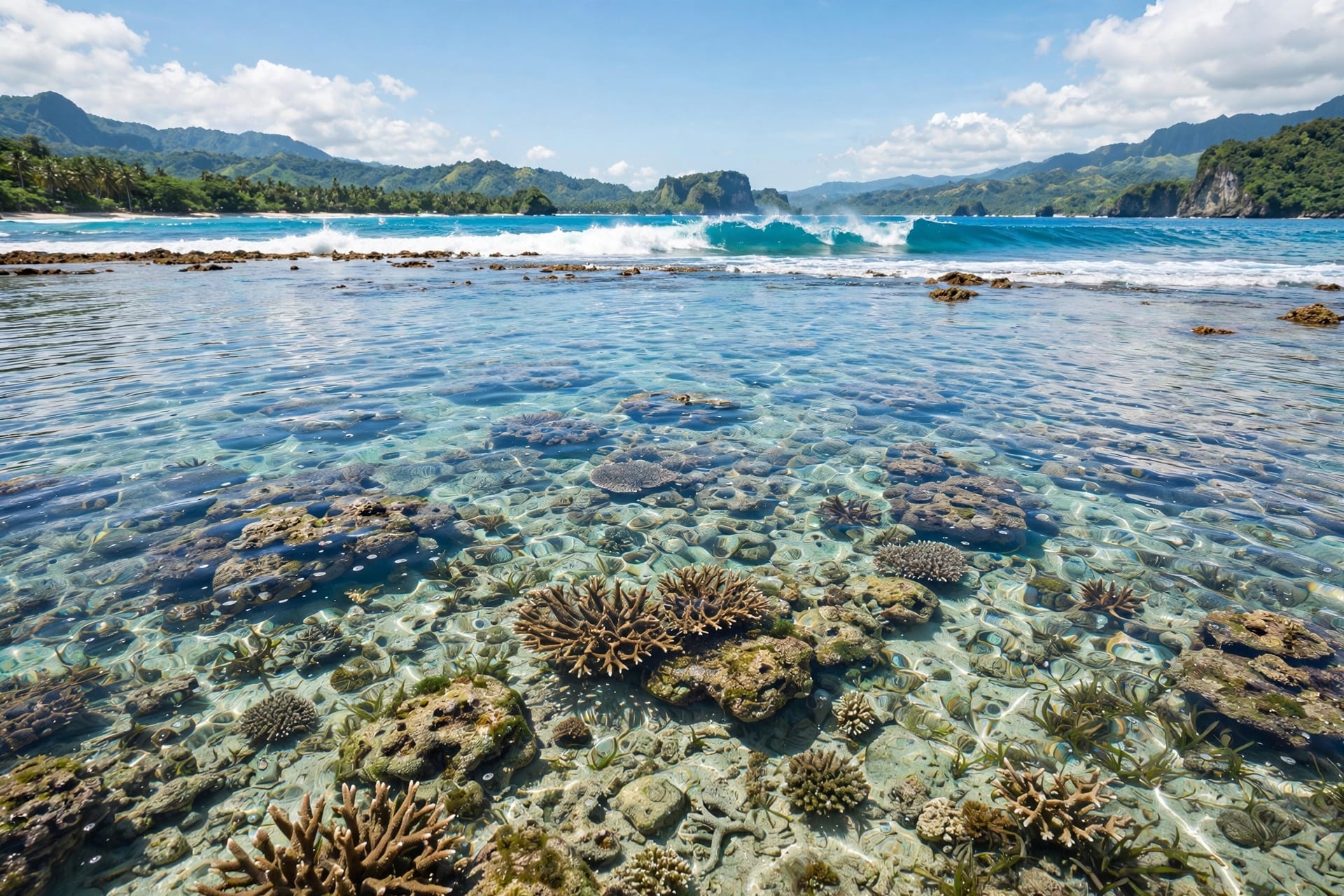
Fig. 01AI placeholder, not a photograph of Baler: Rocky islets off the Pacific coast with waves breaking white
Fig. 02AI placeholder, not a photograph of Baler: The stone facade and bell tower of an old Spanish-colonial church
Fig. 03AI placeholder, not a photograph of Baler: Misty rainforest on the mountains of the Sierra Madre
Fig. 04AI placeholder, not a photograph of Baler: A stone viewing deck on a grassy hilltop above a town and a wide curving bay
Fig. 05AI placeholder, not a photograph of Baler: Old maps and sepia photographs in a small heritage museum
Fig. 06AI placeholder, not a photograph of Baler: A cable footbridge over a river below the mountains
Before
0123456789012345678901234567890123456789
01Before 1578
A town of fishers, hunters and farmers
Long before the first missionaries came, Baler was already a prominent community that lived from fishing, hunting and farming.
Stern mountain walls closed it in on the land side and the harbourless Pacific lay to the east, so for part of every year it could barely be reached by land or sea.
Franciscan friar Juan Francisco de San Antonio, in charge of Baler from 1611 to 1616, led the building of its first church. The Franciscans and the Recollects took turns running the parish until 1899.
Two old Tagalog dictionaries, Tomas Pinpin's of 1613 and Noceda and Sanlucar's Vocabulario de la Lengua Tagala of 1754, trace the name to balod, a large mountain dove.
Other stories point to Vale, an old woman; to balid, a Dumagat word meaning "to return"; and to Lakan Balid, a nobleman.
Around 2:00 am on 27 December 1735, on a clear night with no storm in sight, a tidal wave swept the sleeping town into the sea within an hour.
Survivors from the Angara, Bihasa, Bitong, Carrasco, Lumasac and Poblete families swam to Ermita Hill. The town was rebuilt inland, and the old site was named Kinagunasan, the place that was washed out.
The Spanish garrison under Lt. Saturnino Martin Cerezo held out in the church until 2 June 1899, when it surrendered to Filipino forces under Col. Simeon Tecson.
The siege inspired Republic Act No. 9187 of 2003, which made 30 June Philippine-Spanish Friendship Day.
Baler became the capital of the sub-province of Aurora on 14 June 1951 under Republic Act No. 648, and stayed the seat of government when Aurora became a province in 1978.
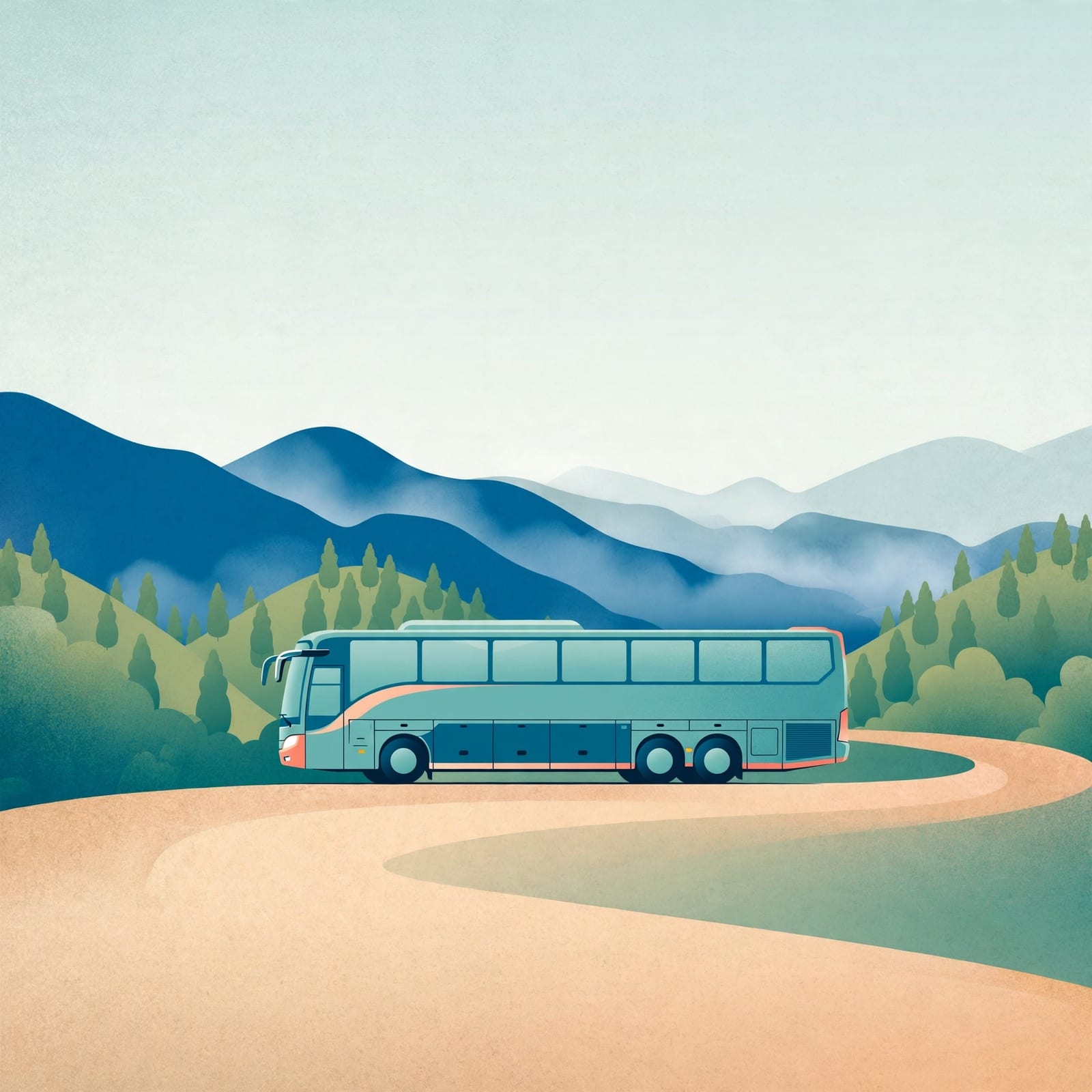
One bus company runs direct from Manila every day, leaving between midnight and 7:00 am. The trip takes about 5 to 5½ hours.
Genesis Transport, 704 EDSA corner New York St., Cubao, Quezon City · +63 2 709-0803. The deluxe Joy bus leaves at 12:00 am and 1:00 am; the published fare is ₱650.
2 roadsfrom Cabanatuan City
By car
Take NLEX at Balintawak, then SCTEX to the La Paz toll gate, and on through Aliaga to Cabanatuan City.
From there two roads lead to Baler: the Canili–Pantabangan Road and the Baler–Bongabon Road.
7 kmairport to Baler, about
By air
Juan C. Angara Airport, a community airport in Barangay San Isidro, San Luis, is about seven kilometres from Baler. Air Juan began seaplane flights from Manila South Harbor in March 2017; check that they still run.
Municipal Ordinance No. 2025-006
Sustainable Eco-Tourism Development Fee
₱50per visitor
01Paid by every tourist or visitor.
02Senior citizens and persons with disability get 20% off.
03Covers entrance to Museo de Baler and the Doña Aurora shrine.
Where it goes
80%
Development
Coastal, urban and upland resource management, heritage, tourism, marketing